
Gas Abatement Systems for Semiconductor Manufacturing
Point-of-use gas abatement solutions for treating hazardous process exhaust from semiconductor, solar, flat-panel display and advanced manufacturing operations.
Control Hazardous Process Exhaust at the Source
Gas abatement systems remove, decompose or neutralise hazardous gases generated by manufacturing processes before the exhaust is released into a facility exhaust network.
These systems are commonly installed at the point of use, close to the process equipment. Treating gases at the source helps improve facility safety and manage greenhouse, pyrophoric, toxic and water-soluble process emissions.
- Thermal or plasma decomposition of hazardous gases
- Chemical conversion of reactive contaminants
- Wet scrubbing of soluble gases and byproducts
- Dry chemisorption for targeted toxic-gas treatment
Compare Gas Abatement Technologies
The appropriate technology depends on the gas composition, process, exhaust flow and available facility utilities.
| Technology | Typical target | Treatment method | Typical utilities |
|---|---|---|---|
| Plasma-Wet | PFCs and high-GWP gases | Plasma decomposition followed by wet scrubbing | Electricity, water, N₂ and CDA |
| Heat-Wet | Hydrogen, flammable and CVD process gases | High-temperature oxidation followed by wet washing | Electricity, water, N₂ and CDA |
| Absorbent/Dry | Targeted toxic gases and emergency exhaust | Chemical adsorption or chemisorption | Consumable media; limited utilities |
| Gliding Heat | VOC and selected process-gas streams | Gliding-arc or warm-plasma treatment | Application-dependent |
| Wet Type | Water-soluble and acidic gases | Wet scrubbing and neutralisation | Water and treatment chemicals |
Explore Our Gas Abatement Systems
Select a technology to view more information or discuss your process requirements with Camda Engineering.
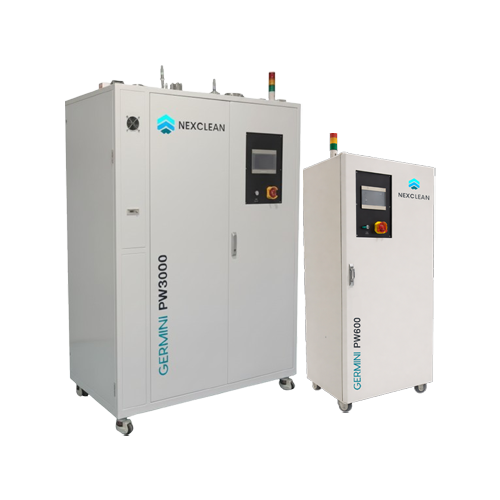
AVAILABLENexClean Gemini Series
High-temperature plasma decomposition combined with wet scrubbing for difficult greenhouse and process gases.
- PW600 and PW3000 configurations
- Capacities from 600 to 3,000 LPM
- Suitable for CF₄, NF₃, SF₆ and selected process gases
 AVAILABLE
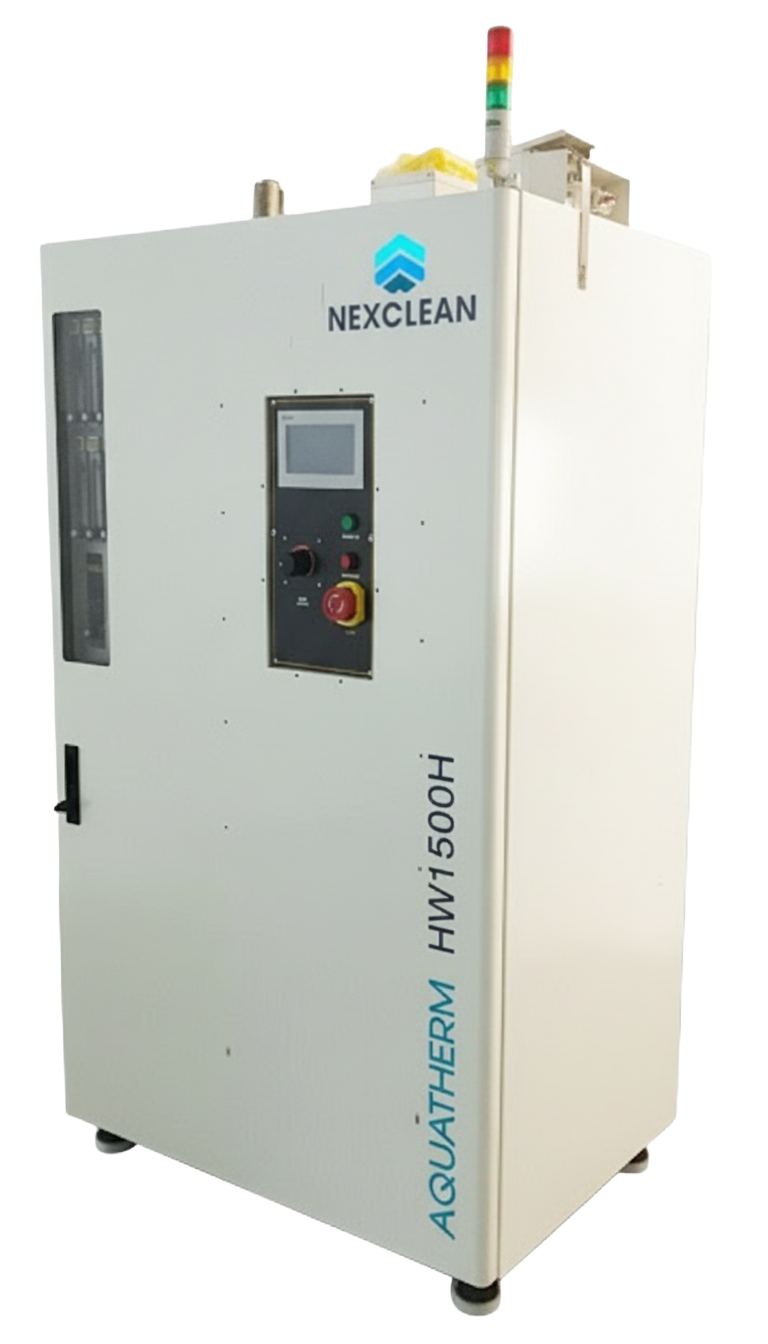
NexClean AquaTherm HW1500H
A high-capacity electrically heated gas abatement system combining thermal decomposition or oxidation with wet washing.
- 1,500 LPM treatment capacity
- Hydrogen capacity up to 300 LPM
- For semiconductor, display and solar processing
 AVAILABLE
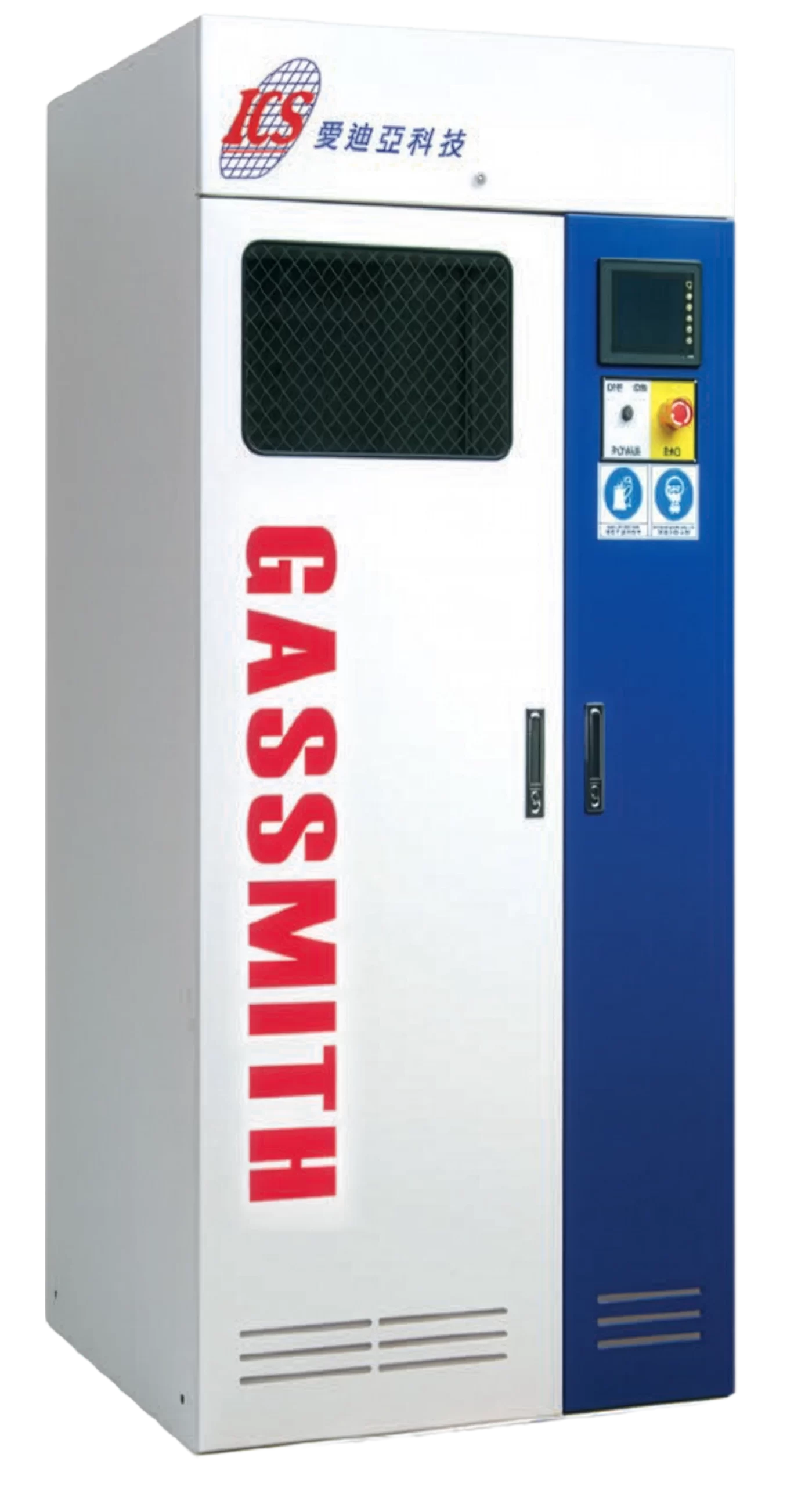
iCS Technology Gassmith Series
Dry gas treatment using application-specific chemical media for targeted toxic-gas and safety applications.
- Dry chemical treatment technology
- Suitable for targeted low-flow gas streams
- Useful for gas-cabinet and emergency applications
CONTACT US
NexClean Solexis Series
Gliding-arc or warm-plasma technology intended for selected VOC and specialised industrial process-gas applications.
- Application-specific system configuration
- Designed for selected VOC and process streams
- Technical assessment required before selection
How to Choose a Gas Abatement System
A technical review should consider the full process rather than the gas name alone.
Identify the Gas Stream
Define the process gases, concentrations, reaction byproducts and potential safety hazards.
Confirm Exhaust Flow
Determine normal flow, peak flow, process cycling and the number and size of equipment inlets.
Review Available Utilities
Confirm electrical power, water, nitrogen, CDA, drainage and facility-exhaust availability.
Evaluate Installation Needs
Consider equipment footprint, service access, exhaust connections and future capacity requirements.
Gas Abatement for Advanced Manufacturing
Semiconductor Manufacturing
Process exhaust treatment for Etch, CVD, deposition, ion implantation and supporting fabrication processes.
Solar and Photovoltaic
Gas treatment for coating, deposition and fabrication operations used in solar-cell production.
Flat-Panel Display
Scalable treatment solutions for large-area substrate and display-panel manufacturing.
Gas Abatement System FAQs
What is a point-of-use gas abatement system?
It is installed close to process equipment to treat hazardous exhaust before it enters the main facility exhaust network.
What is the difference between plasma-wet and heat-wet abatement?
Plasma-wet systems use plasma energy to decompose difficult gases before wet scrubbing. Heat-wet systems use a heated reaction chamber for pyrolysis or oxidation before wet washing.
When is dry absorbent abatement suitable?
Dry systems can suit targeted toxic-gas streams, gas-cabinet exhaust and safety applications where chemical media can be matched to the gas being treated.
What information is needed to select a system?
The review typically requires gas types and concentrations, exhaust-flow data, process conditions, inlet connections, available utilities and installation constraints.
Need Help Selecting an Abatement System?
Share your process gases, exhaust capacity and facility requirements. Our technical team will help identify a suitable treatment approach.